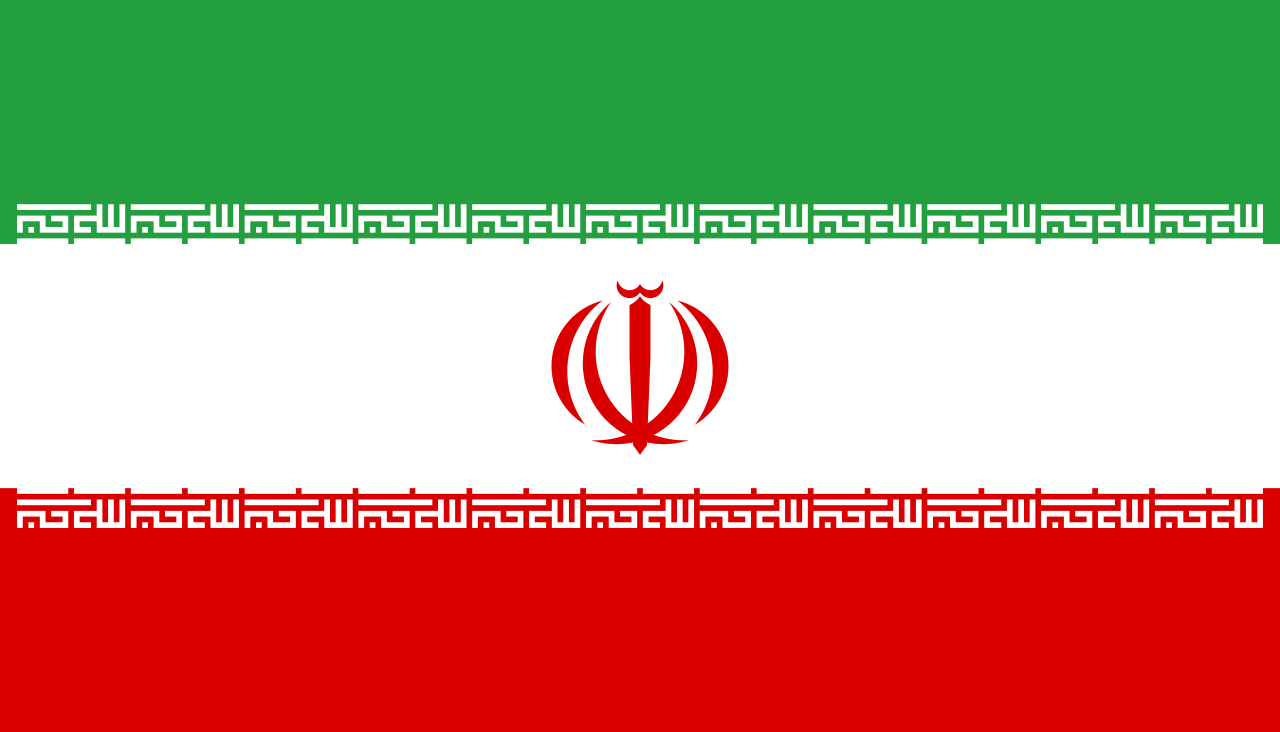
Iran Conflict: Germany on High Alert for Homeland Security
The escalating conflict in the Middle East, particularly the recent direct confrontations involving Iran, the United States, and Israel, has sent ripple effects across the globe. For Germany, these distant hostilities are not merely geopolitical developments; they represent a tangible and immediate threat to homeland security, prompting authorities to move into a state of heightened alert. The implications of the Iran conflict for German security are profound, necessitating a multi-faceted response from federal and state agencies.
German security services, including the domestic intelligence agency (Bundesamt für Verfassungsschutz, BfV), the Federal Police (Bundespolizei), and the Federal Criminal Police Office (BKA), are actively reassessing and adapting protective measures nationwide. The consensus among experts and politicians is clear: the threat landscape in Germany has significantly sharpened, demanding vigilance against both conventional and asymmetric dangers.
Escalating Tensions: A New Reality for German Security
The recent intensification of the Iran conflict, marked by reported Israeli-American air strikes on Iran and subsequent retaliatory actions by Tehran against Israel and other Gulf states, has served as a critical turning point. This direct military escalation has compelled German leadership to convene urgent consultations and issue strong condemnations. Chancellor Friedrich Merz, alongside other senior politicians, unequivocally denounced Iran's aggressive actions, emphasizing the need for immediate de-escalation.
The German Federal Ministry of Interior has confirmed that federal and state security authorities are continuously evaluating the threat situation, remaining "highly vigilant" and adjusting protective measures as needed. This proactive stance extends to safeguarding German citizens abroad, with the Foreign Office significantly toughening travel advisories for several countries in the region. The core concern, however, revolves around the potential for the conflict to spill over onto German soil, manifesting in various forms of aggression.
Targeted Vulnerabilities: Physical and Ideological Threats
Germany's domestic intelligence agency, the Bundesamt für Verfassungsschutz (BfV), has assessed a "continually high abstract threat" specifically targeting facilities associated with Israel and the United States. This includes diplomatic missions, military installations, and other institutions directly linked to these nations. Such sites are considered prime targets for potential retaliatory actions or acts of aggression stemming from the ongoing Iran conflict.
Beyond state-affiliated targets, a deeply troubling aspect of the current assessment is the vulnerability of Jewish institutions within Germany. The BfV explicitly warns that public life facilities such as Jewish schools and synagogues "could be considered targets for potential retaliatory measures." This elevates the threat to an ideological and communal level, requiring extensive protective efforts to safeguard the Jewish community.
Moreover, the focus of Iranian intelligence services has long been on expatriate Iranian opposition figures and groups residing in Germany. While violent incidents against Iranian opposition members in Germany have not been publicly reported to date, similar occurrences have taken place in other Western European countries. German authorities operate under the assumption that Iranian intelligence services closely monitor demonstrations and gatherings in Germany, primarily to identify and spy on opposition activists. This creates a climate of fear and constant surveillance for those critical of the Tehran regime.
The chairman of the Federal Police union (GdP), Andreas Roßkopf, further articulated concerns about so-called "sleeper cells" – clandestine groups or individuals who remain dormant until activated for specific missions. While their precise threat level is difficult to assess, Roßkopf emphasized that German security agencies are "well prepared and very sensitive" to such possibilities, highlighting the complex and often covert nature of the potential dangers.
The Invisible Front: Germany's Battle Against Cyber Warfare
In the age of digital interconnectedness, the Iran conflict also poses a significant threat in the cyber domain. According to Stephan Kramer, President of Thuringia's Office for the Protection of the Constitution, cyberattacks are a primary focus of the current threat assessment. Pro-Iranian hacker groups and state-sponsored entities are increasingly leveraging digital assaults for targeted sabotage, moving far beyond traditional espionage.
Kramer warned that the danger of covert Iranian operations in Western states is "absolutely real," painting a stark picture of potential cyber warfare. "We have scenarios where even the control technology of industrial plants is targeted," he stated. This highlights a critical vulnerability in Germany's infrastructure, where essential services and production capabilities could be severely disrupted. Such sophisticated attacks, potentially impacting energy grids, transportation networks, or critical manufacturing facilities, represent an asymmetric threat that is difficult to detect and defend against.
Companies and organizations in Germany are urged to bolster their cyber defenses, recognizing that geopolitical tensions can directly translate into heightened digital aggression. This involves implementing robust cybersecurity protocols, conducting regular vulnerability assessments, and enhancing employee training on phishing and other social engineering tactics. For more detailed insights into this evolving threat, readers can refer to Germany Ramps Up Protection Amid Iran War's Escalating Dangers.
Proactive Measures and Public Vigilance
In response to the elevated threat, German security authorities are implementing a range of proactive measures. The Federal Police, for instance, has significantly increased its presence and readiness, particularly at key transportation hubs like train stations and airports. This visible increase in security personnel serves both as a deterrent and as a rapid response mechanism to any potential incidents. The continuous flow of intelligence and operational support from the BKA to state-level authorities also ensures a comprehensive understanding and coordinated response to the evolving situation, including monitoring protest activities.
Politicians across the spectrum, including CDU security expert Roderich Kiesewetter, have voiced concerns about "international asymmetric threats" – a clear acknowledgment that the dangers extend beyond conventional warfare and can involve non-state actors or covert operations. Germany's commitment to protecting its citizens and critical infrastructure remains paramount.
For the general public, vigilance and awareness are key. While authorities are working diligently to mitigate risks, citizens can contribute to collective security by:
- Remaining informed about official security advisories.
- Reporting any suspicious activities or objects to the police immediately.
- Practicing good cyber hygiene, such as strong passwords and being wary of unsolicited emails or links.
- Exercising caution in public spaces, especially those that might be perceived as symbolic targets.
Conclusion
The Iran conflict has undeniably placed German homeland security on high alert, transforming abstract geopolitical tensions into concrete concerns for the nation's safety and stability. From physical threats against specific institutions to the insidious danger of cyber warfare and the monitoring of opposition groups, the spectrum of potential threats is broad and complex. German security agencies, in close coordination with federal and state governments, are demonstrating a robust and adaptive response, ensuring continuous assessment and implementation of protective measures. While the situation demands ongoing vigilance and preparedness, the unified resolve of German authorities and the awareness of its citizens are crucial in navigating this challenging and uncertain security landscape.