The Expanding Shadow: Iran War's Threat to Germany's Security Landscape
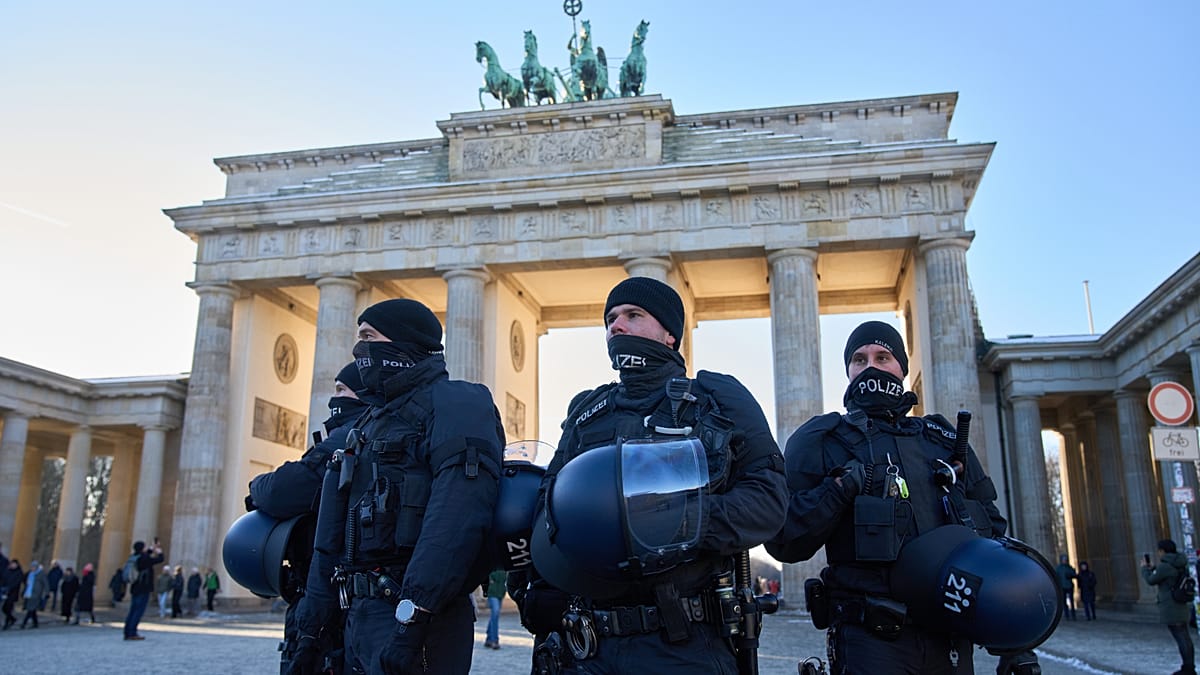
The escalating conflict between Iran, Israel, and the United States has cast a long, disquieting shadow over Europe, particularly Germany. Far from being a distant geopolitical struggle, the ramifications of the *Iran Krieg Deutsche* security landscape are profound and immediate. German authorities, from federal intelligence agencies to local police forces, are on high alert, grappling with a multifaceted threat that encompasses physical attacks, sophisticated cyber warfare, and the surveillance of opposition groups within German borders. This article delves into the evolving nature of this danger, highlighting the specific vulnerabilities and the robust response of German security apparatuses.
Heightened Alert: Physical Security and the Specter of Sleeper Cells
Germany's close ties to both the United States and Israel place it firmly in the crosshairs of potential retaliatory actions. According to the German Federal Office for the Protection of the Constitution (BfV), facilities closely associated with Israel and the USA face a "continuously high abstract threat." This includes diplomatic missions, consular offices, and military installations – targets often seen as symbolic and strategic. However, the threat extends beyond official entities. Jewish institutions, integral parts of public life such as schools, cultural centers, and synagogues, are also considered potential targets for retaliatory measures, requiring heightened vigilance and protection.
The ripple effect of the conflict is palpable in everyday life. The Federal Police (Bundespolizei) has significantly increased its presence and readiness at critical transportation hubs, including major train stations and airports. This proactive measure reflects a deeper concern among security experts: the potential activation of so-called "sleeper cells." While there's no concrete evidence of immediate activation, the very possibility necessitates maximum preparedness. As Andreas Roßkopf, chairman of the GdP Federal Police union, noted, "No one can accurately assess at the moment whether so-called sleepers might become active." This underscores the unpredictable nature of the threat, requiring security forces to be both well-prepared and exceptionally sensitive to potential indicators. The readiness to respond to unforeseen threats is paramount, as detailed in
Iran Conflict: Germany on High Alert for Homeland Security.
The Digital Frontline: Iran's Cyberwarfare Against German Infrastructure
Perhaps one of the most insidious and far-reaching threats emanating from the ongoing *iran krieg deutsche* context is in the digital realm. Cyberattacks are no longer merely about espionage or data theft; they have evolved into a potent tool for targeted sabotage, capable of causing widespread disruption and economic damage. Stephan Kramer, President of the Thuringian Office for the Protection of the Constitution, emphasizes that pro-Iranian hackers and state-sponsored groups are leveraging digital attacks for purposes that go "far beyond classical espionage."
The scope of this digital threat is alarming. Intelligence chiefs warn of scenarios where even the intricate control systems of industrial plants, critical infrastructure, and supply chains could be targeted. Such attacks could disrupt essential services, cripple production, and have severe economic and societal consequences. Germany, with its highly industrialized economy and interconnected digital infrastructure, presents an attractive target for adversaries seeking to exert pressure or cause systemic harm. The danger of covert Iranian operations in Western states, particularly through cyber means, is considered "absolutely real."
For businesses and individuals in Germany, this escalating cyber threat necessitates a heightened focus on digital security. Practical steps include:
- Robust Firewalls and Antivirus Software: Ensure all systems are protected with up-to-date security measures.
- Multi-Factor Authentication (MFA): Implement MFA for all accounts to add an extra layer of security.
- Regular Backups: Crucial data should be regularly backed up to secure, off-site locations.
- Employee Training: Educate staff on phishing attempts, social engineering, and safe online practices.
- Incident Response Plan: Develop and test a plan for how to respond in the event of a successful cyberattack.
Surveillance and Intimidation: Threats to Iranian Dissidents in Germany
Beyond direct attacks on infrastructure or public places, the *iran krieg deutsche* also manifests as a sustained threat to freedom of expression and political dissent within Germany. Iranian intelligence services have long focused on individuals connected to the Iranian opposition diaspora in Germany. While violent incidents against Iranian opposition figures haven't yet been reported on German soil, similar occurrences have been documented in other Western European nations.
German intelligence agencies assume that Iranian services actively monitor demonstrations and public gatherings in Germany. The primary objective is to identify and surveil opposition activists, potentially gathering intelligence for intimidation tactics or future operations. This surveillance creates a chilling effect, undermining the democratic right to protest and express dissent. Protecting these individuals and ensuring their safety is a significant challenge for German authorities, balancing national security concerns with the fundamental rights of residents.
Germany's Response: Vigilance, Coordination, and Adaptation
In response to this complex and evolving threat landscape, German federal and state security authorities are maintaining an extremely high level of vigilance. The Federal Ministry of the Interior confirms that the risk assessment is continuously updated based on current developments, and protective measures are adapted as needed. This proactive stance involves a robust coordination effort across various agencies.
The Federal Criminal Police Office (BKA) provides crucial general situation reports, enhancing the understanding of the threat landscape for state-level authorities, including insights into protest activities. This collaborative approach ensures that intelligence is shared efficiently and that a comprehensive picture of the threats is maintained across the country. For example, Roderich Kiesewetter, a CDU security politician, has voiced concerns about "international asymmetrical threats," underscoring the need for adaptive strategies. The swift reaction and ongoing efforts to secure the nation are further detailed in
Germany Ramps Up Protection Amid Iran War's Escalating Dangers.
Chancellor Friedrich Merz (CDU) and other leading politicians have unequivocally condemned Iran's retaliatory actions and the general threatening posture of the Tehran leadership. The federal government is engaged in continuous consultations with security-relevant ministries and international partners to manage the military escalation. The Foreign Office has also tightened travel advisories for several countries in the region, reflecting concerns for German citizens abroad. These measures highlight Germany's commitment to both national security and its international responsibilities during this volatile period.
Conclusion: A Persistent and Evolving Challenge
The expansion of the Iran war's threat to Germany underscores the interconnectedness of global conflicts. From the tangible risk of physical attacks on sensitive facilities and communities to the insidious danger of sophisticated cyberattacks targeting critical infrastructure, and the persistent surveillance of dissidents, the challenge is multifaceted. The "iran krieg deutsche" impact is a stark reminder that even geographically distant conflicts can have profound domestic security implications. German security authorities are demonstrating high vigilance and adaptability, continuously assessing the situation and implementing necessary protective measures. While the exact trajectory of the conflict remains uncertain, Germany's commitment to safeguarding its citizens and its democratic values remains unwavering amidst these expanding threats.